COST Action CA24124
NETWORK FOR THE ADVANCEMENT OF NEUTROPENIA RESEARCH AND PATIENT SUPPORT
(Neutro-NARPS)
Chronic Neutropenia (CNP) is a rare disorder characterized by persistently low absolute neutrophil counts and may occur as idiopathic entity or as a manifestation of a wide spectrum, mild to life-threatening, congenital or acquired, diseases. The principal challenge of the Network for the Advancement of Neutropenia Research and Patient Support (Neutro-NARPS) is to establish a multi-disciplinary consortium of top-level European and International experts and young investigators with high interest in CNP from the fields of medicine, molecular biology, bioinformatics and computational biology. These partners will work in close collaboration with patient Registries and Organizations, biotech and pharmaceutical companies, the European Haematology Association, and Competent Authorities to bridge the gap between basic research, translational medicine, and clinical practice. The Action’s network will focus on (a) the understanding of the pathogenesis and natural history of CNP, (b) improvement of diagnosis, (c) development and translation to the clinic of novel, repurposed or targeted treatment approaches including gene therapy, and (d) evaluation of the effect of the disease and treatment on patients’ Quality of Life (QoL). Neutro-NARPS envisions elucidating the pathogenetic mechanisms particularly associated with newly recognized CNP entities, investigating the role of nutrition and inflammation on disease initiation and evolution, identifying biomarkers for targeted therapies, and enhancing diagnostic and prognostic precision by applying machine learning (ML) technologies. The Action also aims to facilitate the translation of novel and potentially curative therapies from bench-to-bedside and to improve QoL by developing novel tools for the evaluation of patient reported outcomes (PROs).
How can I participate?
Read the Action Description MoU
Inform the Main Proposer/Chair of your interest (e.papadaki@uoc.gr)
Apply to join your Working Groups of interest
Please note, Management Committee nominations are carried out through the COST National Coordinators
1
COST Members ITCs (Inclusiveness Target Countries)
1
COST Members non-ITCs
1
COST Near Neighbour Countries (NNCs) - Egypt
1
International Partner Countries (IPCs) - USA, Brazil
1
Participating Organization (EHA)
Map: COST / ITC / non-ITC / NNC / IPC
Challenge
The advent of state-of-the-art technologies and their application in the diagnosis of CNP, the registration of CNP patients in repositories with clinical, laboratory and multi-omics information, and the collaborative networking efforts of clinicians and researchers, have significantly advanced the knowledge on the pathogenesis and natural history of different types of CNP. Despite the progress in the field, the cause and mechanisms of CNP development and/or MDS/AL transformation remain unknown in a significant proportion of CNP patients. Furthermore, new entities have emerged with overlapping genetic/acquired characteristics, that need further investigation, e.g. “likely-acquired neutropenia” as well as for “idiopathic” CNP [9]. In both entities, preliminary whole exome sequencing (WES) has unraveled immune deficiency/dysregulation that might affect the production, differentiation, survival of neutrophils. Also, the modern lifestyle particularly in the young population, has resulted in the emergence of novel immune/haematologic disturbances, including CNP, associated with LEA due to inadequate dietary intake and intense exercise [18]. LEA is a growing concern and the knowledge on its association with CNP is scarce. Finally, CNP has been recognized as a devastating manifestation of effective therapies in haematology and AID such as signal transduction inhibitors, immunomodulatory agents, antibodies and CAR-T cells, limiting their clinical use. The associated molecular/immune mechanisms between CNP and these therapies are currently unknown. Also, the clarification of the exact mechanisms underlying the aforementioned novel CNP entities is challenging and timeliness due to their high incidence among CNP patients, especially of the younger ages.
A common denominator between different types of CNP, is the aberrant activation of inflammatory pathways. The inflammatory status raises challenging questions of whether it is a) a primary defect related to the congenital or acquired gene mutations or secondary to immune dysregulation; b) involved and to what extent in the development of neutropenia, marrow failure, and/or MDS/AL evolution; c) implicated in the development of cancers or cardiovascular diseases (CVD), diseases with still unknown frequency in patients CNP; d) influential to the QoL of CNP patients; e) used in therapeutic interventions in CNP patients by targeting inflammatory pathways.
G-CSF is the most commonly used treatment for patients with CNPs. This treatment, however, is not curative, while it may also negatively affect the QoL due to the subcutaneous administration. Currently, the only approved curative treatment for CNP is the allogenic HSC transplantation (HSCT) for selected congenital cases; this treatment however, is usually hampered by significant morbidity/mortality and donor availability issues, while it also affects the QoL due to graft-versus-host disease, infections, side-effects of immunosuppressants among others. Therefore, the need for the application of effective, and, ideally, curative therapies, as well as for the development of modern tools for the evaluation of QoL and PROs for CNP patients, is inevitable.
The Network for the Advancement of Neutropenia Research and Patient Support (Neutro- NARPS) having a deep knowledge and experience on CNP and available clinical and multi-omics data from multi-national CNP patient Registries aims to:
a) elucidate the pathogenetic mechanisms underlying orphan CNP entities with a focus on newly recognized entities that mainly affect the adolescence or young adult population such as the likely- acquired, idiopathic, and CNP associated with the modern life style and relative nutritional deficiency, as well as those associated with novel therapies in haematology/immunology.
b) investigate the role of molecular, genetic factors and nutrition in neutrophil production and development by integrating available data from clinical trials, GWAS, WES, whole genome sequencing (WGS) using advanced bioinformatics.
c) identify biomarkers for targeted therapies and enhance diagnostic and prognostic precision for CNP through the application of machine learning (ML) algorithms.
d) explore the contribution of inflammation in CNP pathogenesis, its impact on malignant transformation, cardiovascular complications, and QoL, with an aim to identify targetable pathways for new therapeutic interventions.
e) improve the QoL of CNP patients and their families by developing electronic tools for PROs and personalized care, addressing the lack of tailored QoL evaluation systems.
f) facilitate the clinical translation of innovative therapies by setting the regulatory framework for the implementation of clinical trials with novel drugs, gene therapy, and repurposed treatments, aiming for more effective and potentially curative options for CNP patients.
All the above challenges are relevant to the etiopathogenesis of CNPs and the wellbeing of the affected patients, with Neutro-NARPS aims being absolutely timeliness. Specifically, the recent publication/dissemination of guidelines on the classification, management and treatment of CNP has highlighted the emergence of novel entities, the importance of clarifying the underlying mechanisms of CNP initiation and evolution to MDS/AL for early intervention, as well as the need for novel, curative therapies, better supportive care and better evaluation of PROs and QoL issues [9]. Furthermore, the existing collaboration between the Action’s partners has resulted in the availability of big data from different centres and different groups of patients. It is now the time to develop ML tools easy to use in clinical practice that will unravel novel classification and prediction patterns and will facilitate a more precise diagnosis/treatment of CNP patients. Also, the Action’s partners have already developed through collaborative efforts, experimental disease models, novel/repurposed treatment approaches, and CRISPR/Cas gene editing curative modalities. To benefit patients with severe CNP all these innovative “ready-to-use” approaches can be implemented in the clinic through Neutro-NARPS.
Contacts
Action Contacts
COST Staff
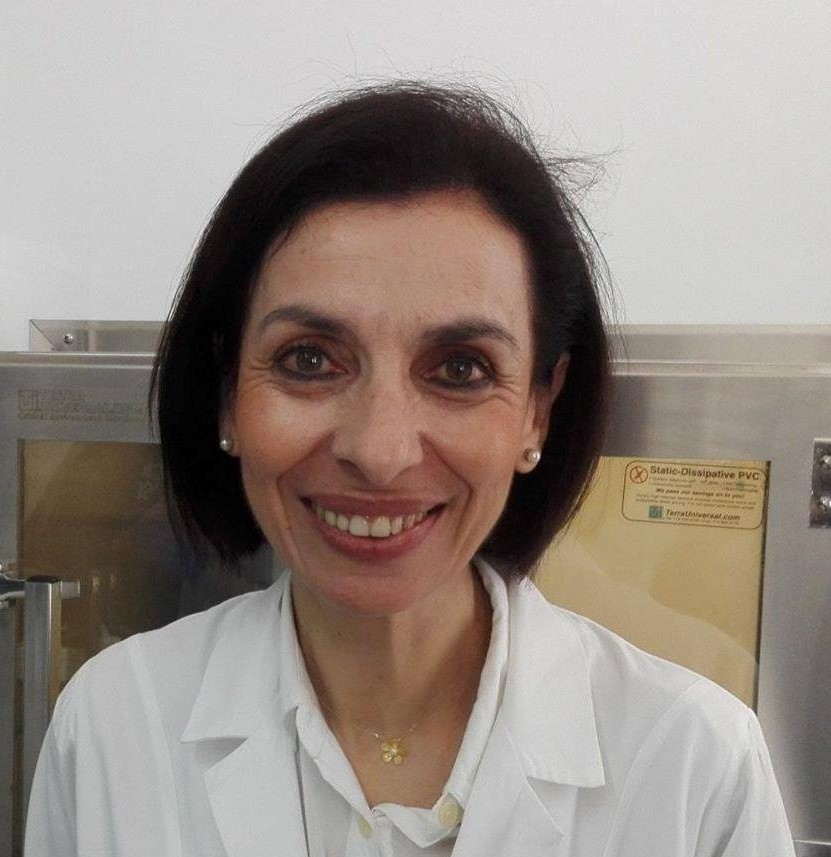
Prof Helen PAPADAKI
Action Chair
+302810394637
e.papadaki@uoc.gr

Dr Carlo Dufour
Action Vice Chair
+393356842089
carlodufour@gaslini.org

Dr Inga Dadeshidze
Science Officer
+3225333817
inga.dadeshidze@cost.eu

Ms Jeannette
Nchung Oru
Administrative Officer
+3225333850
jeannette.nchungoru@cost.eu
This website is based upon work from COST Action Neutro-NARPS, CA24124, supported by COST (European Cooperation in Science and Technology).
COST (European Cooperation in Science and Technology) is a funding agency for research and innovation networks. Our Actions help connect research initiatives across Europe and enable scientists to grow their ideas by sharing them with their peers. This boosts their research, career and innovation.

www.cost.eu