COST Action CA24124
Network for the Advancement of Neutropenia Research and Patient Support
(Neutro-NARPS)
How can I participate?
Read the Action Description MoU
Inform the Main Proposer/Chair of your interest (e.papadaki@uoc.gr)
Apply to join your
Working Groups of interest
Please note, Management Committee nominations are carried out through the COST National Coordinators
18
COST Members ITCs (Inclusiveness Target Countries)
8
COST Members non-ITCs
1
COST Near Neighbour Countries (NNCs) – Egypt
2
International Partner Countries (IPCs) – USA, Brazil
1
Participating Organization (EHA)
Map: COST / ITC / non-ITC / NNC / IPC
Challenge
Recent advances in state-of-the-art technologies, patient registries, and multi-omics data integration have significantly improved understanding of the pathogenesis and natural history of Chronic Neutropenia (CNP). However, the underlying causes and mechanisms of CNP development and its progression to MDS/AL remain unclear in many patients. Newly recognized entities, such as likely-acquired and idiopathic CNP, show evidence of immune dysregulation affecting neutrophil production and function. Additionally, modern lifestyle factors, including low energy availability (LEA) due to poor nutrition and intense exercise, have been linked to emerging cases of CNP, particularly in younger populations. CNP is also increasingly observed as a complication of advanced hematological and immunological therapies, though the associated mechanisms are not yet understood.
A common feature across CNP types is the abnormal activation of inflammatory pathways, raising questions about their role in disease onset, progression, malignant transformation, cardiovascular risk, and overall quality of life (QoL). Current treatments, such as G-CSF, are not curative and may negatively impact QoL, while allogenic stem cell transplantation remains limited by risks and donor availability. Therefore, there is a critical need for more effective and potentially curative therapies, as well as improved tools for assessing patient-reported outcomes (PROs).
The Neutro-NARPS network aims to address these challenges by investigating the mechanisms of newly identified CNP entities, integrating genetic and clinical data using advanced bioinformatics, and applying machine learning to improve diagnosis and prognosis. It will also explore the role of inflammation, identify biomarkers for targeted therapies, and develop tools to enhance QoL and personalized care. Furthermore, the network seeks to facilitate the clinical translation of innovative treatments, including gene therapy and repurposed drugs.
Overall, Neutro-NARPS leverages existing collaborations, large datasets, and emerging technologies to advance research and improve clinical outcomes for CNP patients, addressing urgent unmet needs in diagnosis, treatment, and patient care.
Contacts
Action Contacts
COST Staff
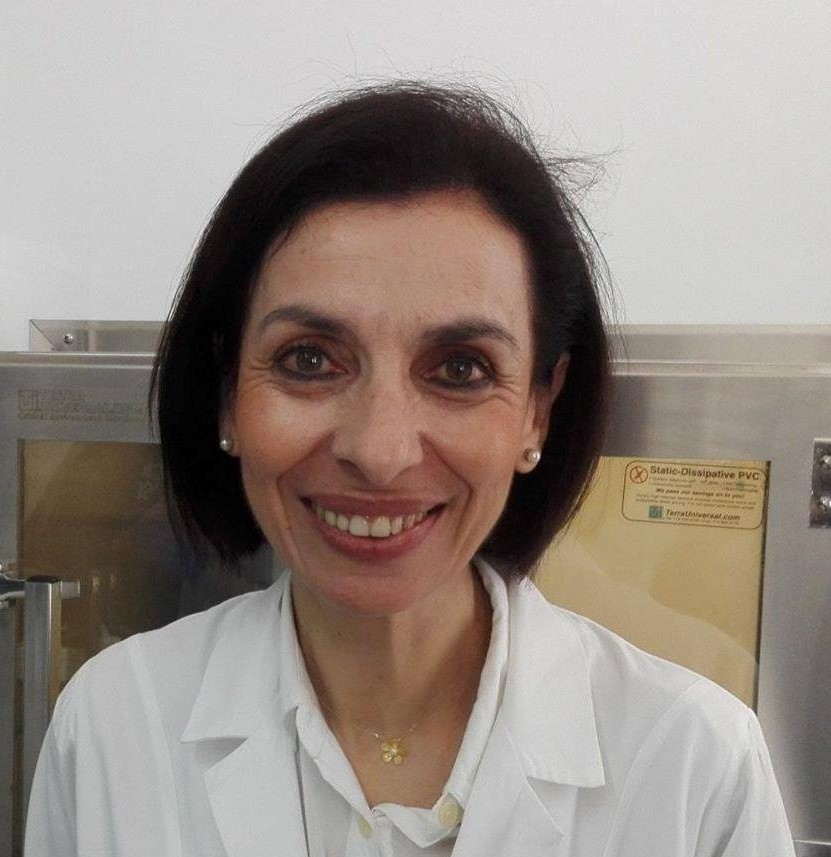
Prof Helen PAPADAKI
Action Chair
+302810394637
e.papadaki@uoc.gr

Dr Carlo Dufour
Action Vice Chair
+393356842089
carlodufour@gaslini.org

Dr Irene Mavroudi
Grant Holder Manager
+302810394637
i.mavroudi@uoc.gr
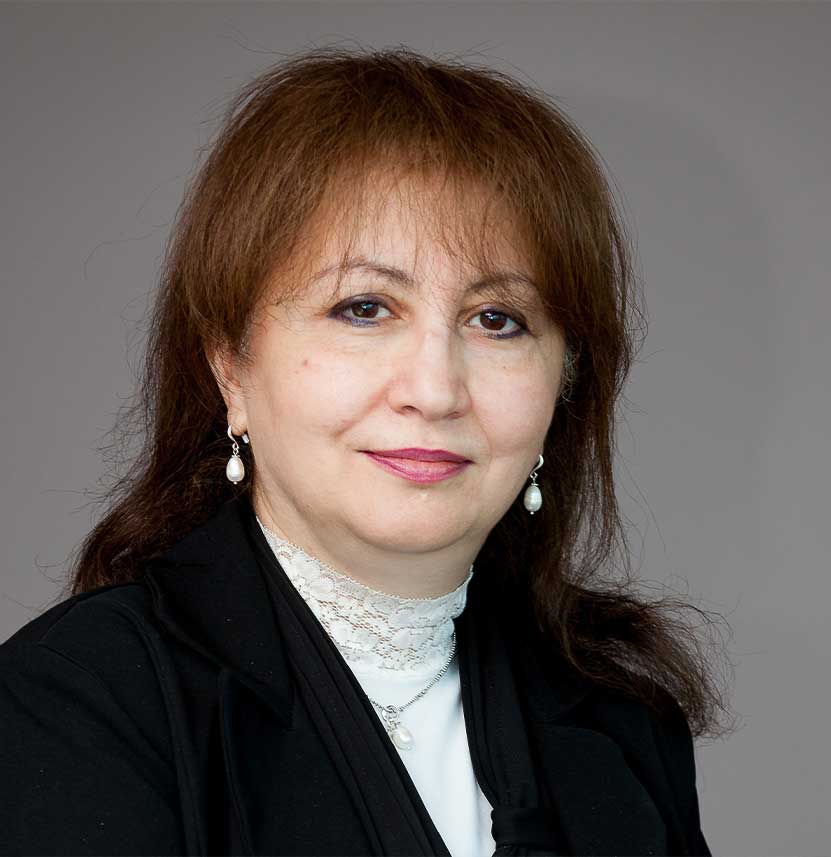
Dr Inga Dadeshidze
Science Officer
+3225333817
inga.dadeshidze@cost.eu

Ms Jeannette
Nchung Oru
Administrative Officer
+3225333850
jeannette.nchungoru
@cost.eu

Action Of European Cooperation in Science and Technology
This website is based upon work from COST Action Neutro-NARPS, CA24124, supported by COST (European Cooperation in Science and Technology).
COST (European Cooperation in Science and Technology) is a funding agency for research and innovation networks. Our Actions help connect research initiatives across Europe and enable scientists to grow their ideas by sharing them with their peers. This boosts their research, career and innovation.